
 PCB
PCB FPC
FPC Rigid-Flex
 FR-4
FR-4 HDI PCB
 Rogers High-Frequency Board
 PTFE Teflon High-Frequency Board
 Aluminum
 Copper Core
 PCB Assembly
 LED light PCBA
 Memory PCBA
 Power Supply PCBA
 New Energey PCBA
 Communication PCBA
 Industrial Control PCBA
 Medical Equipment PCBA
 Testing Service
 PCBA Testing Service
 Certification Application
 RoHS Certification Application
 REACH Certification Application
 CE Certification Application
 FCC Certification Application
 CQC Certification Application
 UL Certification Application
 Transformers, Inductors
 High Frequency Transformers
 Low Frequency Transformers
 High Power Transformers
 Conversion Transformers
 Sealed Transformers
 Ring Transformers
 Inductors
 Wires,Cables Customized
 Network Cables
 Power Cords
 Antenna Cables
 Coaxial Cables
 Net Position Indicator
 Solar AIS net position indicator
 Capacitors
 Connectors
 Diodes
 Embedded Processors & Controllers
 Digital Signal Processors (DSP/DSC)
 Microcontrollers (MCU/MPU/SOC)
 Programmable Logic Device(CPLD/FPGA)
 Communication Modules/IoT
 Resistors
 Through Hole Resistors
 Resistor Networks, Arrays
 Potentiometers,Variable Resistors
 Aluminum Case,Porcelain Tube Resistance
 Current Sense Resistors,Shunt Resistors
 Switches
 Transistors
 Power Modules
 Isolated Power Modules
 AC-DC Power Modules
 DC-AC Module(Inverter)
 RF and Wireless
Dendrite Growth in Immersion Silver PCB Finishing: Root Causes and Preventive Measures
2025-12-16
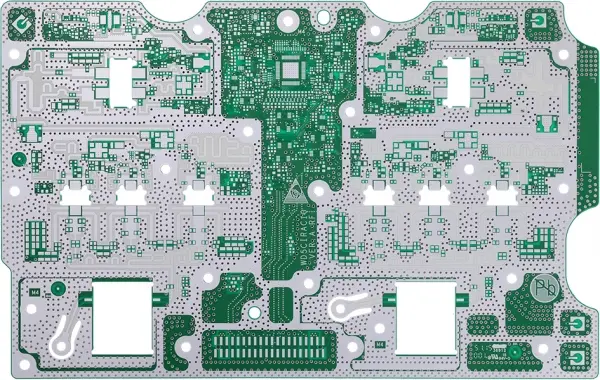
Immersion silver (ImAg) is a widely adopted suRFace finish for printed circuit boards (PCBs) due to its excellent solderability, compatibility with lead-free and Sn-Pb soldering processes, and cost-effectiveness relative to gold-based finishes. It is particularly favored in consumer electronics, industrial control systems, and telecommunications equipment for its ability to provide a flat, uniform conductive surface that supports fine-pitch component assembly. However, a critical reliability issue plaguing immersion silver finishes is dendrite growth—the formation of needle-like or tree-shaped silver crystals that bridge adjacent conductive traces, vias, or pads. These dendrites can cause electrical short circuits, intermittent signal failures, or complete PCB malfunction, especially in high-humidity environments or applications with biased circuitry. This article provides a comprehensive analysis of the fundamental mechanisms driving dendrite growth in immersion silver PCBs, identifies the key contributing factors, and outlines evidence-based preventive measures aligned with industry standards (IPC-4552, IPC-A-600). It also explores the impact of dendrite formation on PCB reliability and offers practical guidelines for manufacturers and designers to mitigate this critical defect.
1. Fundamental Principles of Immersion Silver Plating and Dendrite Formation
To understand dendrite growth, it is first essential to grasp the chemical and physical processes underlying immersion silver plating, as well as the structural characteristics of the resulting silver layer.
1.1 Chemistry of Immersion Silver Deposition
Immersion silver plating is a displacement reaction that occurs without the application of external electrical current. The process relies on the electrochemical potential difference between copper (the base metal of PCB traces) and silver (the deposit metal) to drive the deposition of a thin silver layer onto the PCB surface. The core chemical reaction is as follows: 
The immersion silver bath typically consists of:
- A soluble silver salt (e.g., silver nitrate or silver sulfamate) as the metal ion source
- A complexing agent (e.g., thiourea or organic amines) to stabilize silver ions and prevent spontaneous precipitation
- A pH buffer to maintain the bath at an optimal acidic pH (3.0–5.0)
- Corrosion inhibitors to prevent excessive copper dissolution and ensure uniform deposition
During plating, silver ions in the bath are reduced to metallic silver atoms, which deposit onto the copper surface. Simultaneously, copper atoms from the PCB traces are oxidized to copper ions, which dissolve into the bath. The reaction continues until the copper surface is fully covered by a silver layer (typically 0.5–2.0μm thick), at which point the reaction slows significantly due to the lower electrochemical potential of silver compared to copper.
1.2 What Are Silver Dendrites?
Dendrites are crystalline silver structures characterized by a branched, tree-like morphology with high aspect ratios (length-to-width). Unlike the dense, uniform silver layer formed during proper plating, dendrites are porous, fragile, and highly conductive. They typically grow from the surface of the immersion silver finish under specific environmental conditions, extending outward to bridge gaps between adjacent conductive features.
Dendrite growth is a form of electrochemical migration (ECM), a phenomenon where metal ions dissolve, migrate through a conductive medium, and re-deposit as solid metal crystals. For silver dendrites, this process involves three key stages:
- Silver Ionization: Metallic silver on the PCB surface oxidizes to form silver ions (Ag⁺), typically triggered by moisture and an electrochemical potential difference (bias) between two conductive points.
- Ion Migration: Silver ions move through a thin, conductive water film on the PCB surface, driven by the electric field between the biased points.
- Reduction and Crystal Growth: Silver ions are reduced back to metallic silver at the cathode (the lower-potential conductive point), forming dendritic crystals as the atoms arrange themselves into a low-energy, branched structure.
Notably, dendrite growth can occur even at low bias voltages (as low as 1.5V) if sufficient moisture and ionic contaminants are present, making it a pervasive risk for immersion silver PCBs in humid or harsh environments.
2. Root Causes of Dendrite Growth in Immersion Silver Finishes
Dendrite formation is not a random defect but a result of a combination of chemical, physical, and environmental factors. These factors can be categorized into three core groups: plating process parameters, post-plating handling and contamination, and end-use environmental conditions.
2.1 Plating Process Deficiencies: The Foundation of Dendrite Susceptibility
The quality of the immersion silver layer directly determines its vulnerability to dendrite growth. Suboptimal plating parameters create a porous, non-uniform silver finish that provides nucleation sites for dendrite formation. Key process-related causes include:
2.1.1 Inadequate Silver Layer Thickness and Uniformity
IPC-4552 specifies that immersion silver layers should have a thickness of 0.8–1.5μm for optimal solderability and dendrite resistance. Layers thinner than 0.5μm are prone to pinholes—small gaps in the silver coating that expose the underlying copper. These pinholes act as critical initiation points for dendrite growth:
- Copper ions dissolve from the exposed areas, creating a local electrochemical potential difference with the surrounding silver.
- The potential difference drives silver ionization and migration, with dendrites nucleating at the pinhole sites.
Additionally, uneven silver deposition (caused by poor bath agitation, inconsistent pH, or variable copper surface preparation) creates thickness gradients across the PCB. Thinner areas are more susceptible to pinhole formation and subsequent dendrite growth than thicker, more uniform regions.
2.1.2 Excessive Copper Dissolution and Co-Deposition
Over-etching of the copper surface before silver plating or prolonged immersion in the silver bath can cause excessive copper dissolution. This leads to two critical issues:
- High Copper Ion Concentration in the Bath: Elevated Cu²⁺ levels disrupt the displacement reaction, causing the deposition of a silver-copper alloy layer instead of pure silver. Alloy layers are more porous and have lower corrosion resistance than pure silver, increasing dendrite susceptibility.
- Copper Contamination in the Silver Layer: Copper ions can co-deposit with silver, creating micro-galvanic cells within the silver finish. These cells generate localized potential differences that drive silver ionization, even in the absence of external bias.
2.1.3 Improper Bath Chemistry and Maintenance
The immersion silver bath is a delicate chemical system that requires strict control to ensure quality plating. Common bath-related issues that promote dendrite growth include:
- Depleted Complexing Agents: Thiourea or organic amine complexing agents prevent silver ion precipitation by forming stable complexes. When these agents are depleted, free silver ions in the bath can precipitate as colloidal silver, which deposits onto the PCB as a porous, dendritic layer.
- Incorrect pH Levels: The optimal pH range for immersion silver plating is 3.0–5.0. pH values below 3.0 accelerate copper dissolution, while values above 5.0 cause silver hydroxide precipitation, leading to a rough, non-uniform finish.
- Contaminated Bath Solutions: Impurities such as chloride ions, sulfates, or organic residues can accumulate in the bath over time. These contaminants adsorb onto the silver surface, creating nucleation sites for dendrite growth and reducing the finish’s corrosion resistance.
2.2 Post-Plating Contamination and Handling Defects
Even a well-plated immersion silver finish can become susceptible to dendrite growth if post-plating processes introduce contaminants or damage the silver layer. Key post-plating causes include:
2.2.1 Residual Chemical Contamination
Inadequate rinsing after silver plating is one of the most common causes of dendrite growth. Residual chemicals from the plating bath (e.g., thiourea, silver salts, or copper ions) can remain on the PCB surface, acting as electrolytes that facilitate silver ionization and migration. IPC-A-600 requires that PCBs be rinsed with deionized water (DI water) with a resistivity of ≥10 MΩ·cm after plating to remove these residues. Rinsing with tap water, which contains chloride and other ionic contaminants, exacerbates the problem.
2.2.2 Physical Damage to the Silver Layer
Rough handling, improper packaging, or abrasive cleaning can scratch or abrade the silver finish, creating micro-cracks and exposed copper areas. These defects act as dendrite nucleation sites, similar to pinholes. For example, wiping the PCB surface with a non-lint-free cloth can leave scratches that penetrate the silver layer, while stacking unprotected PCBs can cause abrasion between adjacent boards.
2.2.3 Organic Contamination
Fingerprints, oils, or flux residues from subsequent assembly processes can contaminate the silver surface. Organic contaminants trap moisture against the silver layer, creating a localized humid environment that accelerates electrochemical migration. Additionally, some flux residues contain halides or acids that can corrode the silver finish, further promoting dendrite growth.
2.3 End-Use Environmental Conditions: The Trigger for Dendrite Growth
Even a defect-free immersion silver PCB can develop dendrites if exposed to harsh end-use environments. Key environmental triggers include:
2.3.1 High Humidity and Condensation
Moisture is the primary catalyst for dendrite growth, as it forms a conductive water film on the PCB surface that enables silver ion migration. Relative humidity (RH) levels above 60% are sufficient to form this film, while RH above 85% or condensation (e.g., in outdoor or automotive underhood applications) drastically accelerates the process. The water film dissolves ionic contaminants on the PCB surface, creating a conductive electrolyte that facilitates electrochemical migration.
2.3.2 Electrical Bias Between Conductive Features
Dendrite growth requires an electrochemical potential difference between two adjacent conductive points (e.g., a signal trace and a ground plane, or two adjacent signal traces). Even low bias voltages (1.5–3.3V, common in consumer electronics) are sufficient to drive silver ion migration. The rate of dendrite growth increases exponentially with voltage: a study by the IEEE Components, Packaging, and Manufacturing Technology SOCiety found that doubling the bias voltage from 1.5V to 3.0V increased dendrite growth rate by a factor of 4.
2.3.3 Presence of Ionic Contaminants
Ionic contaminants on the PCB surface (e.g., chlorides, sulfates, or flux residues) increase the conductivity of the water film, accelerating silver ionization and migration. Common sources of these contaminants include:
- Inadequate PCB cleaning after assembly
- Exposure to industrial pollutants or salt spray (in outdoor applications)
- Leaching from PCB substrates or component packaging materials
3. Impact of Dendrite Growth on PCB Reliability
Dendrite formation is a progressive failure mechanism that can compromise PCB performance in both short-term and long-term applications. The severity of the impact depends on the dendrite size, location, and the application’s reliability requirements.
3.1 Electrical Short Circuits
The most direct consequence of dendrite growth is electrical short circuits between adjacent conductive features. This can occur when dendrites bridge the gap between two traces, vias, or pads, creating an unintended conductive path. Short circuits can cause immediate device failure, overheating, or even component damage. For example, a dendrite bridging a 3.3V signal trace and a ground plane in a smartphone PCB can cause a battery drain or a complete power outage.
3.2 Intermittent Signal Failures
In some cases, dendrites may not fully bridge two conductive features but may grow to a length where they cause intermittent signal issues. This can occur when the dendrite is partially disconnected due to vibration or thermal expansion, leading to random signal drops or noise. Intermittent failures are particularly problematic in industrial control systems or medical devices, where reliable operation is critical.
3.3 Degraded Solderability
Dendrite growth on component pads can degrade the solderability of the immersion silver finish. The porous, dendritic silver structure has a lower wetting ability than a dense, uniform silver layer, leading to poor solder joint formation, cold joints, or solder balls. This can compromise the mechanical and electrical integrity of the assembly, increasing the risk of solder joint failure under thermal cycling or vibration.
3.4 Accelerated Corrosion
Dendrite growth is often accompanied by silver oxidation, which forms silver oxide (Ag₂O) on the PCB surface. Silver oxide is a poor conductor and can further degrade signal integrity. Additionally, the electrochemical migration process that drives dendrite growth can accelerate the corrosion of the underlying copper traces, leading to trace thinning or open circuits over time.
4. Preventive Measures to Mitigate Dendrite Growth in Immersion Silver PCBs
Preventing dendrite growth requires a holistic approach that addresses plating process parameters, post-plating handling, assembly practices, and end-use environmental protection. The following measures are aligned with IPC standards and industry best practices to ensure long-term reliability of immersion silver PCBs.
4.1 Optimize Immersion Silver Plating Process Parameters
The first line of defense against dendrite growth is to produce a dense, uniform, and defect-free silver layer through strict process control. Key optimization steps include:
4.1.1 Control Silver Layer Thickness and Uniformity
- Maintain a silver layer thickness of 0.8–1.5μm, as specified by IPC-4552. Use a X-ray fluorescence (XRF) analyzer to measure thickness in real time during production.
- Ensure uniform bath agitation to prevent thickness gradients. Use air sparging or ultrasonic agitation to maintain consistent silver ion concentration across the PCB surface.
- Optimize the plating time and temperature to achieve full coverage without over-plating. Typical plating conditions are 25–35°C for 2–5 minutes, depending on the bath chemistry.
4.1.2 Minimize Copper Dissolution and Co-Deposition
- Implement a pre-plating micro-etch step with controlled time (1–2 minutes) and temperature (20–25°C) to remove oxide layers without excessive copper dissolution. Use a sulfuric acid-hydrogen peroxide etchant for precise control.
- Monitor copper ion concentration in the silver bath regularly. When Cu²⁺ levels exceed 500 ppm, partial bath replacement is required to restore the optimal silver-to-copper ratio.
- Use a corrosion inhibitor in the plating bath to slow copper dissolution and prevent the formation of silver-copper alloys.
4.1.3 Maintain Optimal Bath Chemistry
- Regularly test and adjust the bath pH to maintain a range of 3.0–5.0. Use a buffered solution to prevent pH fluctuations caused by copper dissolution.
- Replenish complexing agents (e.g., thiourea) to maintain a concentration of 50–100 g/L, ensuring that silver ions remain stabilized and do not precipitate.
- Filter the bath solution daily with a 1μm filter to remove colloidal silver and other particulate contaminants. Replace the filter cartridge weekly to prevent clogging.
4.2 Implement Rigorous Post-Plating Cleaning and Handling Protocols
Post-plating processes must be designed to remove chemical residues and prevent physical damage to the silver layer. Key protocols include:
4.2.1 High-Quality Rinsing with Deionized Water
- Rinse PCBs with DI water of ≥10 MΩ·cm resistivity immediately after plating. Use a three-stage rinsing process: a first rinse with agitated DI water to remove bulk residues, a second rinse with fresh DI water, and a final rinse with hot DI water (50–60°C) to accelerate drying.
- Avoid rinsing with tap water, which contains chloride and other ionic contaminants. Test rinse water resistivity daily to ensure compliance with IPC standards.
4.2.2 Gentle Drying and Handling
- Dry PCBs using forced hot air (60–70°C) or vacuum drying to prevent water spots and residual moisture. Ensure that the drying process is complete to avoid trapping moisture between boards.
- Handle PCBs with clean, lint-free gloves to prevent fingerprint contamination. Avoid touching conductive features directly.
- Package PCBs in anti-static, moisture-barrier bags with desiccant packs to prevent exposure to humidity and contaminants during storage and transportation. Seal bags with heat sealers to ensure airtight closure.
4.2.3 Post-Plating Inspection
- Conduct 100% visual inspection of PCBs using a digital microscope (20–50x magnification) to detect pinholes, scratches, or uneven deposition. Reject any PCBs with visible defects.
- Use ion chromatography (IC) to test for residual ionic contaminants. IPC-TM-650 Method 2.3.28 specifies that the maximum allowable ionic contamination level is 1.5μg NaCl/cm² for high-reliability applications.
4.3 Optimize PCB Design and Assembly Practices
PCB design and assembly choices can significantly reduce dendrite susceptibility by minimizing the risk of electrochemical migration. Key design and assembly measures include:
4.3.1 Increase Trace Spacing and Clearances
- Design PCBs with increased spacing between adjacent conductive features, especially those with a high voltage bias. For immersion silver PCBs in high-humidity applications, trace spacing should be at least 0.2mm per volt of bias to prevent dendrite bridging.
- Avoid routing high-voltage and low-voltage traces in parallel. Use ground planes to isolate sensitive signal traces from high-bias lines.
4.3.2 Use Low-Halide Fluxes and Thorough Cleaning
- Use no-clean or low-halide fluxes for solder paste application. Halide-containing fluxes can leave ionic residues that accelerate dendrite growth. If using rosin-based fluxes, ensure thorough cleaning after reflow using aqueous cleaning agents or solvent cleaning.
- Conduct post-assembly cleaning validation using ion chromatography to ensure that flux residues are below the IPC-specified limit.
4.3.3 Apply Conformal Coatings
- Apply a conformal coating (e.g., acrylic, urethane, or parylene) to the assembled PCB to create a barrier against moisture and contaminants. Conformal coatings are particularly effective for PCBs used in high-humidity or outdoor applications.
- Ensure that the conformal coating covers all conductive features uniformly, with no pinholes or gaps. Use a visual inspection or holiday testing to verify coating integrity.
4.4 Protect PCBs in End-Use Environments
Even with optimal plating and assembly, PCBs must be protected from harsh end-use environments to prevent dendrite growth. Key environmental protection measures include:
- Use hermetic enclosures for PCBs used in high-humidity or outdoor applications. Hermetic enclosures prevent moisture and contaminants from reaching the PCB surface.
- Incorporate desiccant packs or humidity control systems in the device enclosure to maintain RH levels below 60%.
- Avoid operating the device in conditions where condensation can form. Use heating elements or thermal management systems to prevent temperature fluctuations that cause condensation.
Dendrite growth is a critical reliability issue for immersion silver PCBs, driven by a combination of plating process deficiencies, post-plating contamination, and harsh environmental conditions. The formation of silver dendrites is rooted in electrochemical migration, a process that relies on moisture, ionic contaminants, and electrical bias to drive silver ionization, migration, and crystal growth. If left unaddressed, dendrites can cause short circuits, intermittent failures, and degraded solderability, compromising the performance and longevity of electronic devices.
Preventing dendrite growth requires a holistic, multi-stage approach that spans the entire PCB lifecycle—from plating and post-processing to design, assembly, and end-use protection. By optimizing immersion silver plating parameters to produce a dense, uniform finish, implementing rigorous cleaning and handling protocols, designing PCBs with adequate trace spacing, and protecting devices from harsh environments, manufacturers can significantly reduce the risk of dendrite formation. Adherence to IPC standards (IPC-4552, IPC-A-600, IPC-TM-650) is critical to ensuring consistent quality and reliability.